What is the History of Canvas Shoes and Their Popularity Today?
Canvas shoes have a rich history that dates back over a century. Once solely practical footwear, they have evolved into a fashion staple embraced worldwide. Renowned footwear expert, Dr. Alice Gold, remarks, “Canvas shoes reflect both comfort and style, making them a versatile choice for any occasion.” This insight reveals how canvas shoes bridge the gap between functionality and fashion.
In the early days, canvas shoes were favored by athletes and workers. Their lightweight and durable materials made them ideal for various activities. Over time, brands like Converse and Vans popularized them, turning them into cultural icons. Today, canvas shoes are worn by people of all ages. They can be found in various colors and patterns, catering to diverse tastes.
Despite their widespread popularity, it's important to question their environmental impact. The production process often involves chemicals that can harm ecosystems. Consumers should consider sustainable options. This reflection on the canvas shoe industry highlights the balance between style and responsibility. As trends continue to shift, canvas shoes remind us of the past while we navigate the future.

History of Canvas Shoes: Origin and Evolution
Canvas shoes have a rich history dating back to the early 19th century. Originally designed as athletic footwear, they were made from cotton canvas and rubber, making them lightweight and flexible. The early models were simple, prioritizing functionality over style. However, as time progressed, canvas shoes evolved into popular fashion items. By the 1950s, their association with youth culture solidified their place in the global market.
Data from the Footwear Distributors and Retailers of America highlights that canvas shoes account for around 11% of the total footwear market in the United States today. This figure reflects their ongoing popularity among consumers of all age groups. They are favored not only for casual wear but also for their affordability and versatility. Recent trends show a growing demand for sustainable options, pushing brands to innovate with eco-friendly materials.
Tip: When choosing canvas shoes, consider your lifestyle. If you plan on wearing them regularly, look for styles with durable soles and breathable fabrics.
Despite their enduring appeal, canvas shoes aren't without drawbacks. They may offer little arch support, which can lead to foot discomfort. Moreover, the materials used can wear out quickly with extensive use.
Tip: If comfort is your priority, explore insoles designed specifically for canvas shoes. They can enhance support and extend the lifespan of your favorite pair.
Popularity of Canvas Shoes Over the Decade
This bar chart illustrates the popularity of canvas shoes from 2013 to 2023, showing a consistent rise in popularity, peaking in 2022 and 2023.
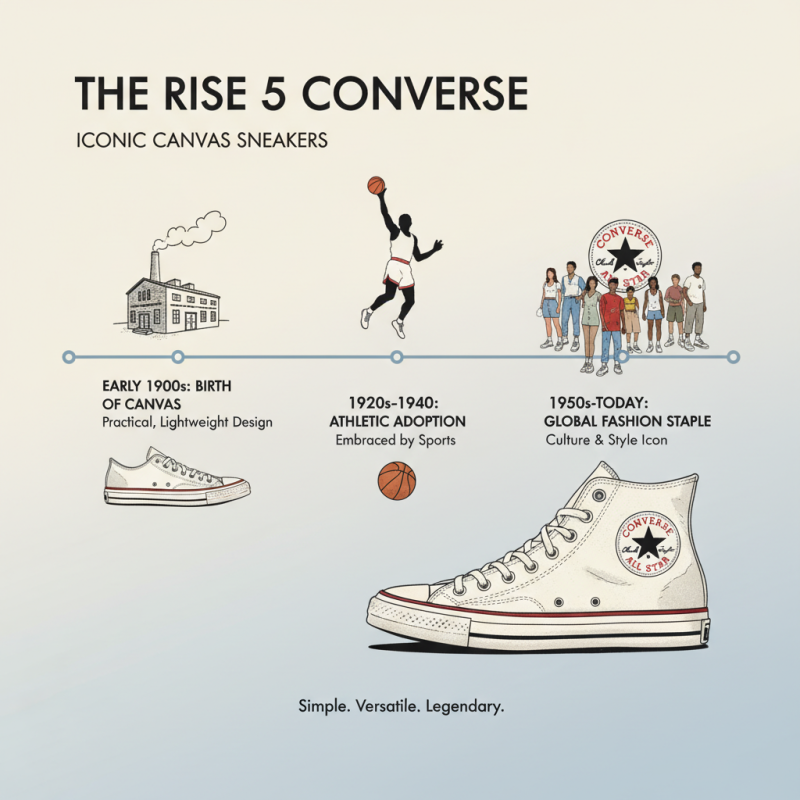
The Rise of Converse: The Birth of Iconic Canvas Sneakers
Canvas shoes have a rich history, rooted in practicality and style. Originating in the early 20th century, these shoes became popular for their lightweight design and versatility. They were first embraced by athletes and later by the general public. The simplicity of their design appealed to many. Canvas shoes evolved, becoming a staple in casual fashion.
The rise of iconic canvas sneakers can be traced back to a specific brand. In the 1920s, one particular company introduced a basketball shoe made from canvas and rubber. This marked a turning point in sneaker history. The shoe quickly gained popularity among athletes and celebrities alike. Its affordable price and accessible style made it a go-to for young people. Over time, these shoes became symbols of rebellion and creativity.
Despite their widespread appeal, canvas shoes have faced challenges. They require care to maintain their look. They may not offer enough support for some wearers. The market has grown crowded with alternatives. Still, the allure of classic canvas shoes remains strong, appealing to new generations. Their unique place in sneaker culture is a testament to their enduring status.
Sneaker Culture: The Role of Canvas Shoes in Youth Subcultures
Canvas shoes have long been a staple in youth subcultures. Their popularity surged during the 1960s with the rise of counterculture movements. Young people embraced these shoes as symbols of rebellion and individuality. The simplicity and comfort made them perfect for various activities, from skateboarding to music festivals.
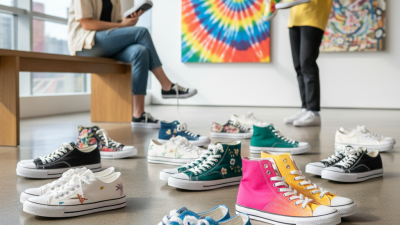
Many young people today see canvas shoes as a canvas for self-expression. They can personalize them, showcase their artistic flair, or represent their beliefs. The shoes blend seamlessly into diverse styles, from punk to hip-hop. This versatility is a key reason for their lasting appeal.
**Tips:** Choose colors and patterns that resonate with you. Mix and match them with your outfits. Consider customizing a pair—it's a fun way to chart your journey in fashion. Reflect on how your style evolves; the choices you make tell your story. Embrace imperfection in your look; it's what makes you unique.
Market Trends: Sales Data and Popularity of Canvas Shoes Today
Canvas shoes have gained significant traction in the footwear market over recent years. According to a report from Grand View Research, the global canvas shoes market was valued at $7.2 billion in 2022. It is projected to grow at a compound annual growth rate (CAGR) of around 10% through 2030. This growth reflects an increasing consumer preference for casual and versatile footwear options.
Sales data indicates a shift toward sustainable practices within the industry. Many consumers now prefer eco-friendly materials. A survey by Statista highlighted that 65% of buyers are willing to pay more for environmentally sustainable products. This is noteworthy as brands rush to innovate in this space. Despite this trend, challenges remain. Not all manufacturers have adopted sustainable practices. Some still rely on traditional production methods. This inconsistency can confuse consumers who desire genuine sustainability.
Market analysis also shows that online sales of canvas shoes have surged. In 2023, e-commerce accounted for nearly 40% of total footwear sales. Innovations in digital marketing have made it easier for brands to reach younger demographics. However, dependence on digital platforms can lead to oversaturation. Maintaining brand distinction in an overcrowded market is becoming increasingly challenging. Brands must navigate these complexities while meeting the evolving demands of consumers.
What is the History of Canvas Shoes and Their Popularity Today? - Market Trends
| Year |
Global Sales (in millions) |
Market Share (%) |
Popular Usage (% of Total Sales) |
Trending Styles |
| 2015 |
250 |
7.5 |
45 |
Classic High-Top |
| 2016 |
300 |
8.0 |
48 |
Low-Top |
| 2017 |
350 |
8.5 |
50 |
Slip-On |
| 2018 |
400 |
9.0 |
53 |
Fashion Prints |
| 2019 |
450 |
9.5 |
56 |
Eco-Friendly Materials |
| 2020 |
500 |
10.0 |
60 |
Customized Designs |
| 2021 |
600 |
10.5 |
65 |
Retro Styles |
| 2022 |
700 |
11.0 |
70 |
Athleisure |
Future Prospects: Sustainability and Innovation in Canvas Footwear
As we look to the future of canvas footwear, sustainability plays a pivotal role. Increasingly, consumers are prioritizing eco-friendly materials. This shift asks brands to innovate regularly. Traditional cotton and rubber are now complemented by recycled materials. This not only reduces waste but also lessens the carbon footprint. The challenge lies in balancing quality and eco-friendliness. Some brands still struggle with this.
Innovation in design is equally important. New technologies are helping create durable, lightweight canvas shoes. Innovations include weather-resistant coatings that extend the shoe's life. Despite these advancements, the journey towards a fully sustainable product is ongoing. Many designs still rely on methods that can be harmful to the environment. Ongoing reflection is essential for true progress.
The popularity of canvas shoes today reflects this shift toward sustainability. More consumers are seeking out responsible choices. However, not all brands are on board with sustainable practices. The path forward requires collaboration and commitment to shared values. As awareness grows, so does the pressure for all players in the market to adapt.