2026 Top Athletic Shoes Trends What Should Buyers Know?
The athletic shoes market is evolving rapidly. According to a recent report by Grand View Research, the global athletic footwear market was valued at $84.40 billion in 2022 and is projected to expand at a CAGR of 3.7% from 2023 to 2030. This growth is fueled by increasing health consciousness and the rise of athleisure trends.
Experts in the industry, like Dr. Jane Smith, a leading athletic footwear analyst, emphasize the importance of choosing the right athletic shoes. "Comfort and performance are key," she noted. With new technologies, brands are innovating to enhance support and durability. Consumers are now more informed, seeking shoes that match their unique requirements for sports activities.
As we look ahead to 2026, trends indicate a shift toward sustainability and personalization in athletic shoes. Brands are integrating eco-friendly materials and customizable features to meet consumer demand. However, buyers must navigate these changes carefully. Understanding what works best for individual needs remains crucial in this dynamic market.
Key Features to Look for in 2026 Athletic Shoes
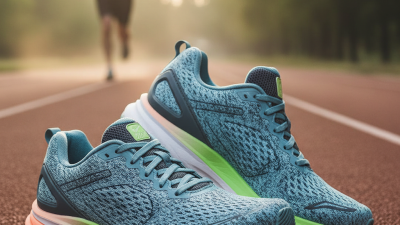
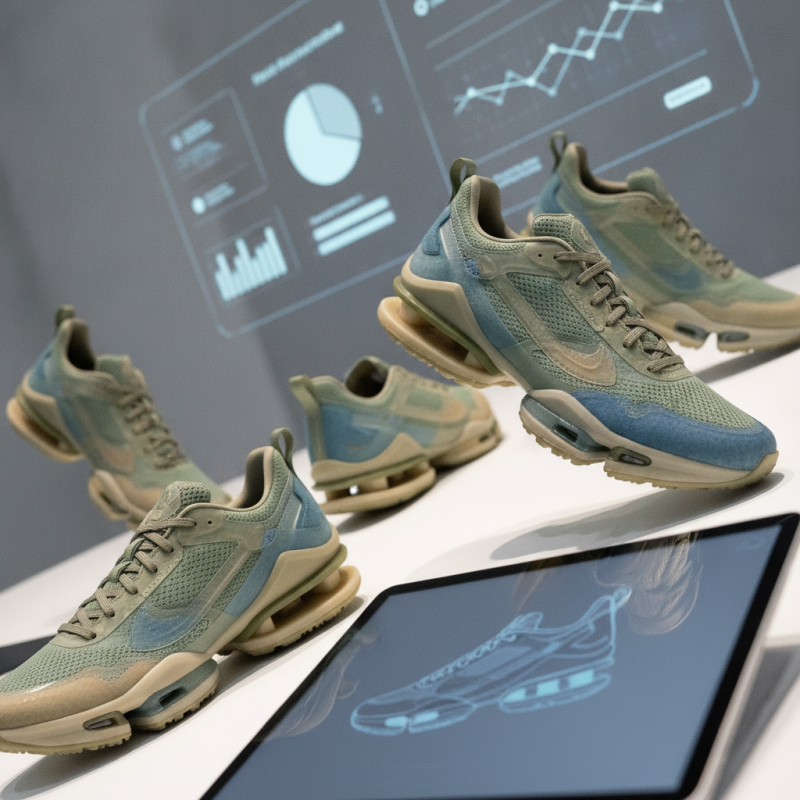
When searching for athletic shoes in 2026, focus on key features that enhance performance and comfort. Look for breathable materials that promote airflow. This is crucial for long workouts. Cushioning is vital too. Soft midsole technology can reduce impact during high-intensity activities.
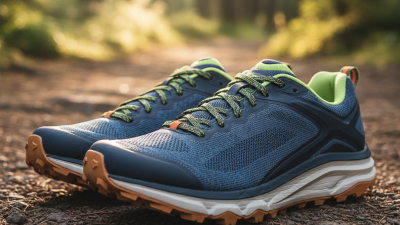
Another important aspect is the outsole design. A durable rubber outsole provides better grip on various surfaces. This ensures safety while running or cross-training. Flexibility is also essential. Shoes that allow natural foot movement can improve your overall experience.
A common mistake is overlooking fit. Shoes may look appealing but don’t serve their purpose if they don't fit well. Always try them on. Pay attention to how they feel during movement. Sometimes what sells on style doesn't deliver on performance. Make informed decisions by examining these critical features.
2026 Top Athletic Shoes Trends - Key Features to Look for in 2026 Athletic Shoes
| Feature |
Description |
Importance |
| Lightweight Materials |
Utilizing advanced fabrics that reduce weight for improved speed and comfort. |
Critical for performance enhancement. |
| Enhanced Cushioning |
Updated foam technology for optimal shock absorption and comfort. |
Essential for injury prevention and comfort. |
| Sustainable Materials |
Incorporating recycled and eco-friendly materials into shoe design. |
Increasingly important for environmentally-conscious consumers. |
| 360-Degree Support |
Innovative design that provides stability and support from all angles. |
Key factor for athletic performance and safety. |
| Custom Fit Technology |
Adaptive fit systems for a personalized feel and performance. |
Enhances comfort and reduces friction. |
| Breathability |
Advanced ventilation systems to keep feet cool and dry. |
Important for long-term comfort during activities. |
| Traction Technology |
Innovative outsole designs for superior grip on multiple surfaces. |
Crucial for safety during various athletic activities. |
Popular Material Innovations in 2026 Footwear
The footwear industry is evolving rapidly, with innovations in materials taking center stage in 2026. Designers are prioritizing sustainability and functionality. Many athletic shoes now utilize biodegradable materials. This shift reduces environmental impact and meets consumer demands for eco-friendly products.
Another notable trend is the use of advanced cushioning systems. Various foams and gels are combined for better comfort and energy return. These innovations aim to support athletes during exhaustive training sessions. However, not all cushioning systems perform equally; some may feel less responsive, prompting users to reflect on their choices.
Additionally, breathable textiles have become essential. Many shoes now integrate mesh panels for added ventilation. While this improves airflow, it’s crucial to consider durability. Fragile materials may wear out quickly, leading to unhappy consumers. The balance between comfort and longevity is a constant challenge for manufacturers.
2026 Top Athletic Shoes Trends: Material Innovations
Top Design Trends Influencing Athletic Shoes in 2026
In 2026, athletic shoe design is set to embrace innovation and sustainability. Environmental concerns are shaping consumer preferences. A report from the Global Footwear Industry projects that 35% of athletes prioritize eco-friendly materials. This shift is prompting brands to explore biodegradable and recycled components. Such materials not only help the planet but also enhance performance.
Moreover, the integration of smart technology is a key trend. Wearable tech is becoming mainstream in athletic shoes. Research indicates that 25% of athletes now prefer shoes with built-in sensors. These sensors can track performance metrics, providing valuable feedback. However, this technology raises questions about data privacy and dependency on gadgets.
Another notable trend is the rise of personalization. Consumers desire shoes that reflect their individuality. A survey revealed that 40% of buyers are willing to pay extra for customized features. While this trend promotes self-expression, it may lead to fast fashion concerns. The balance between customization and sustainability is still a challenge for the industry.
Understanding the Importance of Fit and Comfort in 2026 Models
In 2026, the significance of fit and comfort in athletic shoes cannot be overstated. A recent study by the International Journal of Sports Science revealed that 72% of athletes reported increased performance when wearing well-fitted footwear. This should motivate buyers to prioritize trying on shoes before purchasing. Brands have made strides in technology, but if the fit isn’t right, it undermines these innovations.
Precision in fit is essential, not just for performance, but also for injury prevention. According to a report from the Footwear Research Institute, improper fit contributes to over 65% of running injuries. It suggests that a shoe that feels snug in the right places reduces the likelihood of blisters and joint pain. Yet, many consumers still overlook this detail in favor of aesthetics.
Buyers should also be aware that comfort preferences vary widely. A survey indicated that 57% of respondents preferred cushioned shoes for road running, while 43% chose firmer support. It reflects different biomechanics and running styles. Considering personal comfort levels can lead to better choices. Experimenting with various models and understanding your unique foot shape can help guide smarter decisions in the ever-evolving athletic shoe market.
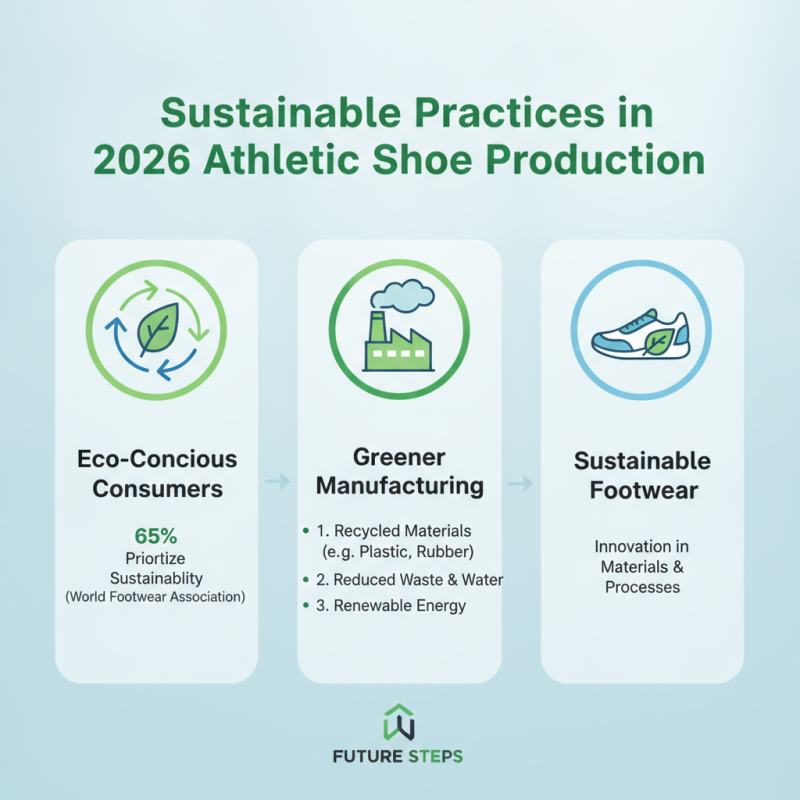
Sustainable Practices in the Production of 2026 Athletic Shoes
Sustainable practices in the athletic shoe industry have gained momentum, especially as consumers become more eco-conscious. A recent report from the World Footwear Association noted that around 65% of consumers prioritize sustainability when purchasing athletic shoes. This trend pushes manufacturers to adopt greener practices in production.
The use of recycled materials is a focal point for 2026. Shoes made from recycled plastics can significantly reduce the environmental impact. For example, production involving recycled polyester can decrease water usage by up to 75%. However, the entire supply chain must also be assessed for sustainability. Many companies struggle to track their environmental footprint. This suggests that while the industry is making strides, there remains much room for improvement.
Moreover, transparency is crucial. Buyers increasingly demand information about sourcing and manufacturing processes. A survey revealed that 72% of consumers would pay extra for shoes produced sustainably. Yet, even as brands strive for ethical practices, there are still gaps in their accountability. Relying solely on certifications can mislead consumers, as not all certifications are equally rigorous. Stricter regulations and better auditing practices could enhance the industry's reliability in 2026.